Contact Us
Build custom, photorealistic environments instantly. Save hours on modeling and budget on physical sets.

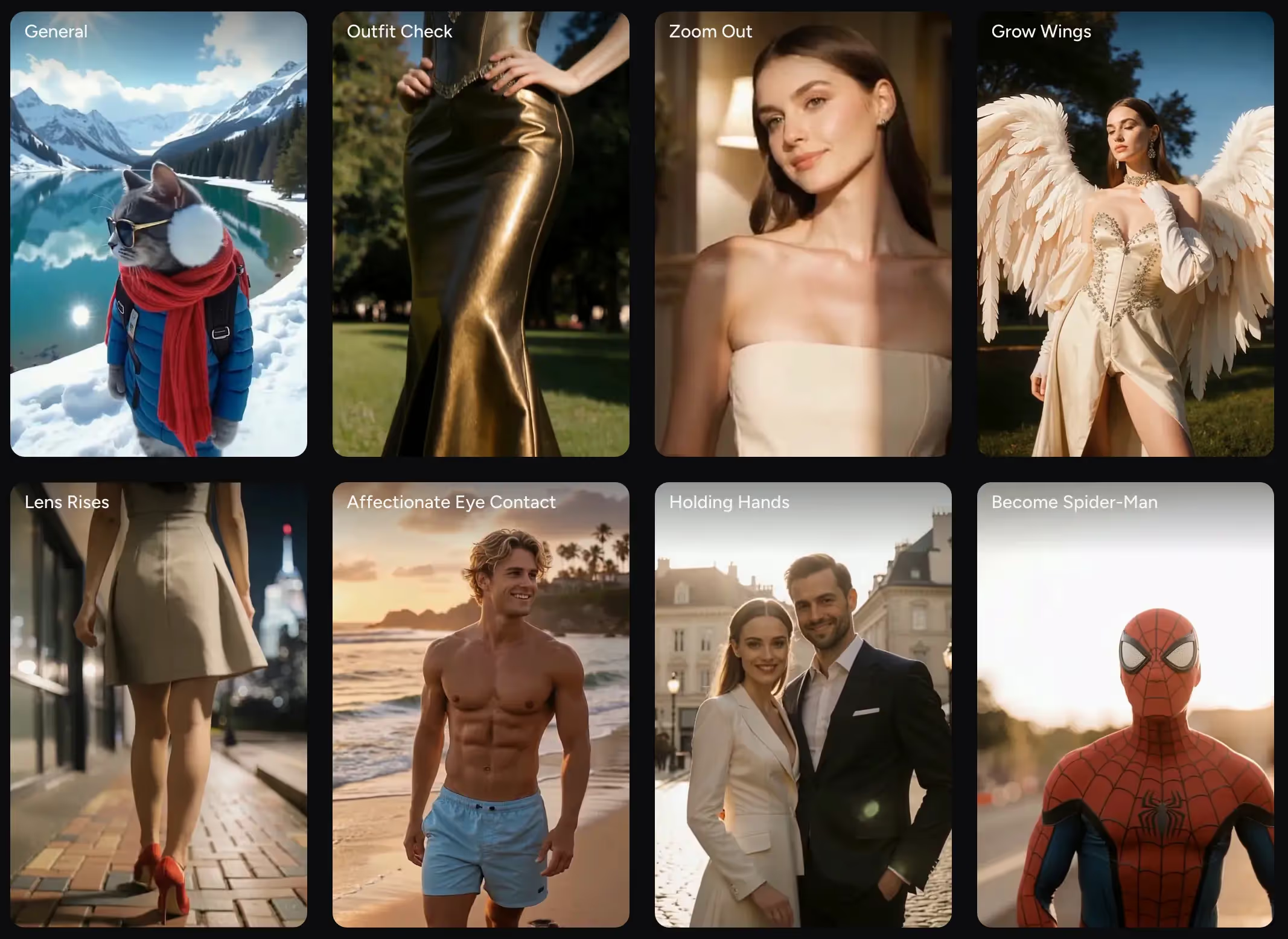
A Revolutionary Future with Real-time Conversational Avatars

YouTubers and agencies can output fresh, high-end visuals every day to beat the algorithm and gain followers.
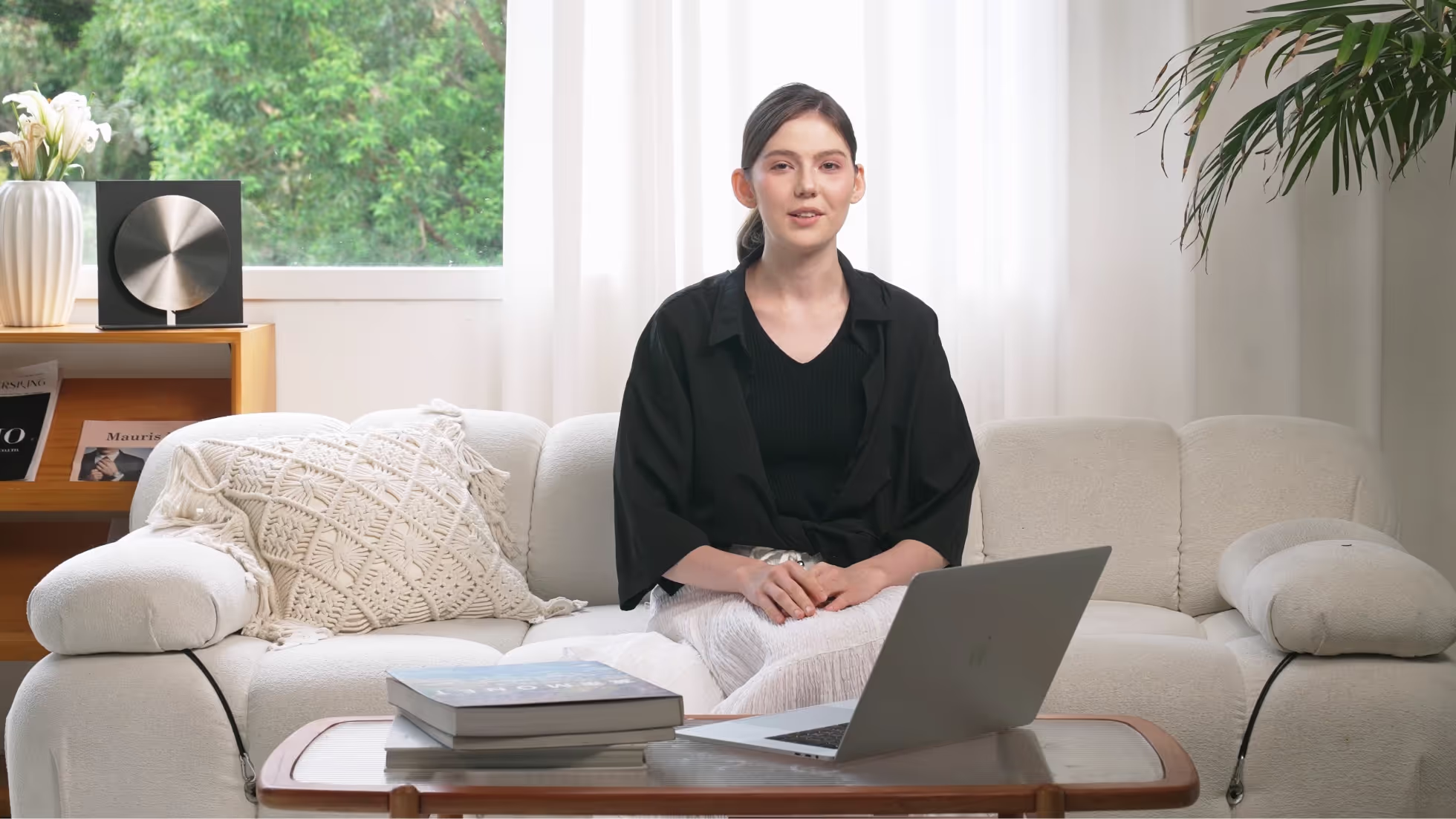
Traditional set design requires physical materials, construction crews, and travel logistics. By using software for automated scene design, studios reduce these expenses significantly. This approach allows creators to produce high-quality backgrounds in minutes rather than weeks, keeping projects on budget and schedule while eliminating the need for expensive location scouting.
Directors often need to change lighting, weather, or layout after the initial concept phase. With AI-rendered settings, these adjustments happen instantly through text prompts or slider adjustments. This flexibility means teams can test different visual styles or correct errors immediately without organizing expensive reshoots or waiting for manual rendering processes.

Building complex fantasy worlds or historical settings usually demands large teams of visual effects artists. Synthetic environment creation handles the heavy lifting of detailing textures, geometry, and physics. This capability allows smaller teams to build expansive, realistic worlds that previously required major studio resources and manpower.

Create content programmatically with our easy to use API
Filmmakers use digital background generation to replace traditional green screens. Instead of filming in costly exotic locations, crews project realistic environments onto LED walls behind actors. This method helps actors react to the setting in real-time and drastically reduces the amount of post-production work needed to composite shots.
Developers rely on computer-generated scenery to fill vast open worlds with unique details. Rather than manually placing every tree, rock, or building, the software populates terrain based on specific rules. This speeds up development cycles significantly and adds visual variety to game maps without overburdening the art team.
Agents and architects use virtual scene staging to show potential buyers what a property could look like. Empty rooms get filled with stylish furniture, or unbuilt structures appear as finished buildings in realistic environments. This helps clients visualize the final space clearly and makes listings more attractive to online viewers.
Online stores apply AI-driven backdrop creation to product photography. A single photo of a shoe or bottle can be placed into hundreds of different lifestyle settings, such as a beach, a mountain trail, or a city street. This saves money on travel and photoshoots while keeping product catalogs fresh.
Agencies use algorithmic scene synthesis to test different visual concepts quickly. They can generate multiple background variations for a single ad campaign to see which performs best with specific demographics. This allows for rapid adaptation to different audiences without needing to create entirely new creative assets from scratch.
Companies build immersive training environments using machine-generated landscapes. Employees can practice safety protocols in simulated hazardous areas, such as oil rigs or construction sites, without actual risk. This creates safe, repeatable learning opportunities for complex jobs where real-world mistakes would be dangerous or expensive.
-30%
$ 0.05 USD / Credit
(billed yearly as $252)
25 images or 1.5 mins of video
3 Customized Instant Avatars
Upload file size limited to 150M and 30s
$ 0.05 USD / Credit
(billed monthly as $30)
$ 0.05 USD / Credit
(billed monthly as $119)
$ 0.042 USD / Credit
(billed yearly as $500)
$ 0.05 USD / Credit
(billed yearly as $252)
25 images or 1.5 mins of video
3 Customized Instant Avatars
Upload file size limited to 150M and 30s
$ 0.035 USD / Credit
(billed yearly as $252)
$ 0.033 USD / Credit
(billed yearly as $948)
$ 0.05 USD / Credit
(billed yearly as $4200)