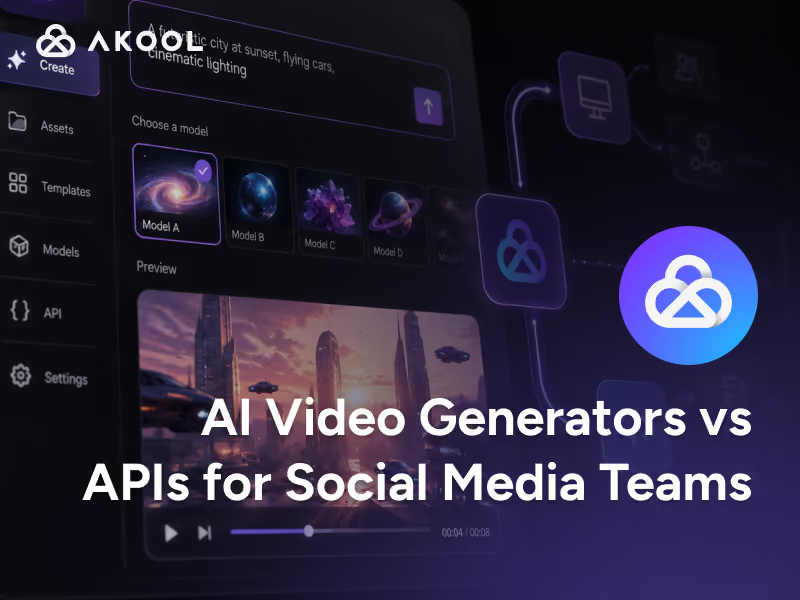
Key Takeaways: AI Video Generators vs Video Generation APIs
- No-code AI video generators let you create content in minutes without writing a single line of code, making them ideal for fast-moving social media teams.
- Video generation APIs give developers direct access to AI models for custom integrations, batch processing, and high-volume production pipelines.
- AKOOL offers both a user-friendly platform and a powerful API, giving your team flexibility to start simple and scale up as needs grow.
- Choosing between no-code and API solutions depends on your team's technical resources, production volume, and workflow requirements.
- For enterprise marketing teams, a platform like AKOOL that combines multiple AI models with API access creates the most versatile content production system.
AI Video Generators vs Video Generation APIs: Overview
What is a no-code AI video generator?
A no-code AI video generator is a browser-based platform that turns text prompts, images, or scripts into finished videos without any programming knowledge. You upload your assets, write a description of what you want, and the AI handles rendering, animation, and effects automatically. These tools are designed for marketers, content creators, and social media managers who need to produce videos quickly.
No-code AI video generator key features
- Text-to-video generation: Type a prompt describing your scene and receive a fully rendered video clip within minutes.
- Image-to-video conversion: Upload product photos or brand images and animate them into dynamic video content.
- Pre-built templates: Access libraries of ready-made formats optimized for TikTok, Instagram Reels, and YouTube Shorts.
- Built-in editing tools: Add captions, music, voiceovers, and effects directly in the platform without switching applications.
- One-click publishing: Export finished videos in multiple aspect ratios for direct upload to social platforms.
No-code AI video generator pros and cons
Pros:
- Zero technical learning curve means your team can start creating content the same day they sign up.
- Faster turnaround times compared to traditional video production workflows.
- Lower upfront costs since you do not need dedicated developers or engineering resources.
Cons:
- Customization options may be limited compared to building your own solution, though platforms like AKOOL offer extensive controls.
- Batch processing large volumes may require manual steps, which can slow down high-volume campaigns.
- Integration with existing marketing tools may need third-party connectors or workarounds.
What is a video generation API?
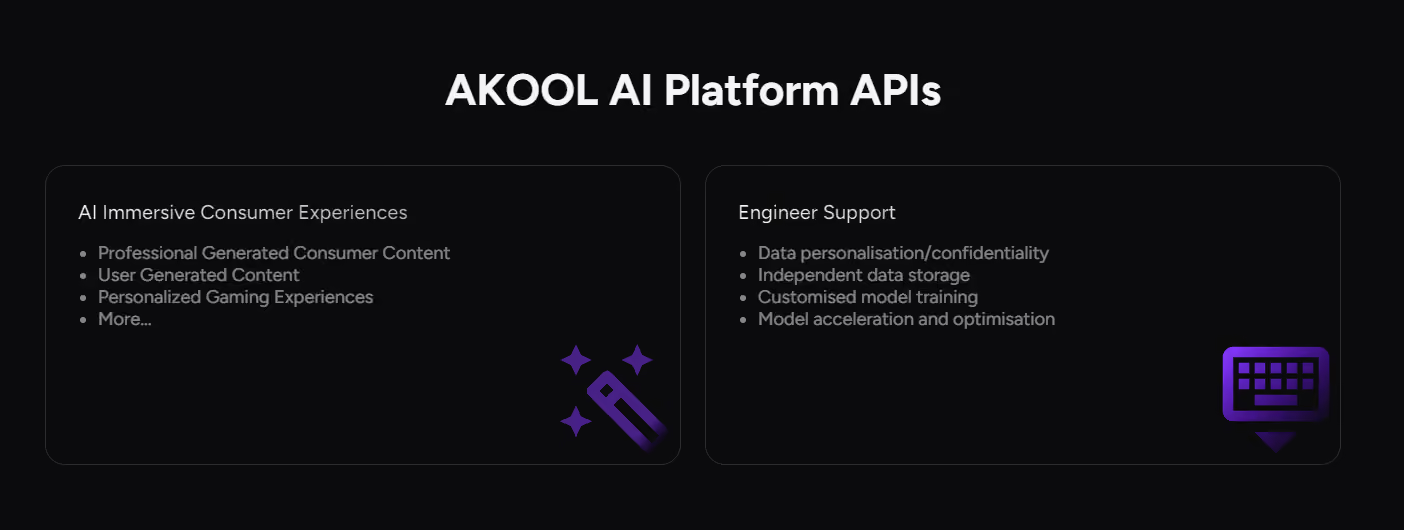
A video generation API gives developers programmatic access to AI video models through code. Instead of using a visual interface, your engineering team sends requests to the API, which returns generated video files. This approach works well for companies building custom applications, automating production pipelines, or processing thousands of videos at scale.
Video generation API key features
- Direct model access: Call specific AI models like Kling, Wan, Seedance, or Google Veo directly through HTTP requests.
- Batch processing: Generate hundreds or thousands of videos simultaneously through automated scripts.
- Custom workflows: Build pipelines that combine video generation with your CRM, DAM, or social scheduling tools.
- Webhook notifications: Receive alerts when video generation completes so your systems can automatically proceed with distribution.
- Fine-grained controls: Specify exact parameters for resolution, frame rate, aspect ratio, and model selection.
Video generation API pros and cons
Pros:
- High-volume production becomes cost-efficient when you need to generate personalized videos at scale.
- Full customization allows you to build exactly the workflow your team needs.
- Direct integration with existing systems eliminates manual export and upload steps.
Cons:
- Requires dedicated engineering resources to implement and maintain the integration.
- Initial setup takes longer compared to logging into a no-code platform.
- Troubleshooting technical issues requires developer involvement rather than reaching out to customer support.
AI Video Generators vs Video Generation APIs: In-depth Comparison
Ease of use and time to first video
No-code platforms get your team producing videos within hours of signup. The visual interfaces, drag-and-drop editors, and preview features make experimentation safe and fast. AKOOL's text-to-video tool exemplifies this approach, letting you generate professional clips from a simple prompt.
APIs require upfront development work, including authentication setup, request formatting, and response handling. For teams with existing engineering capacity, this investment pays off through automation. For teams without developers, the no-code route delivers faster results.
Scalability and production volume
When your content calendar calls for dozens of videos per week, both approaches can handle the load differently. No-code platforms support manual scaling where team members generate videos through the interface. APIs enable automated scaling where scripts generate videos without human intervention.
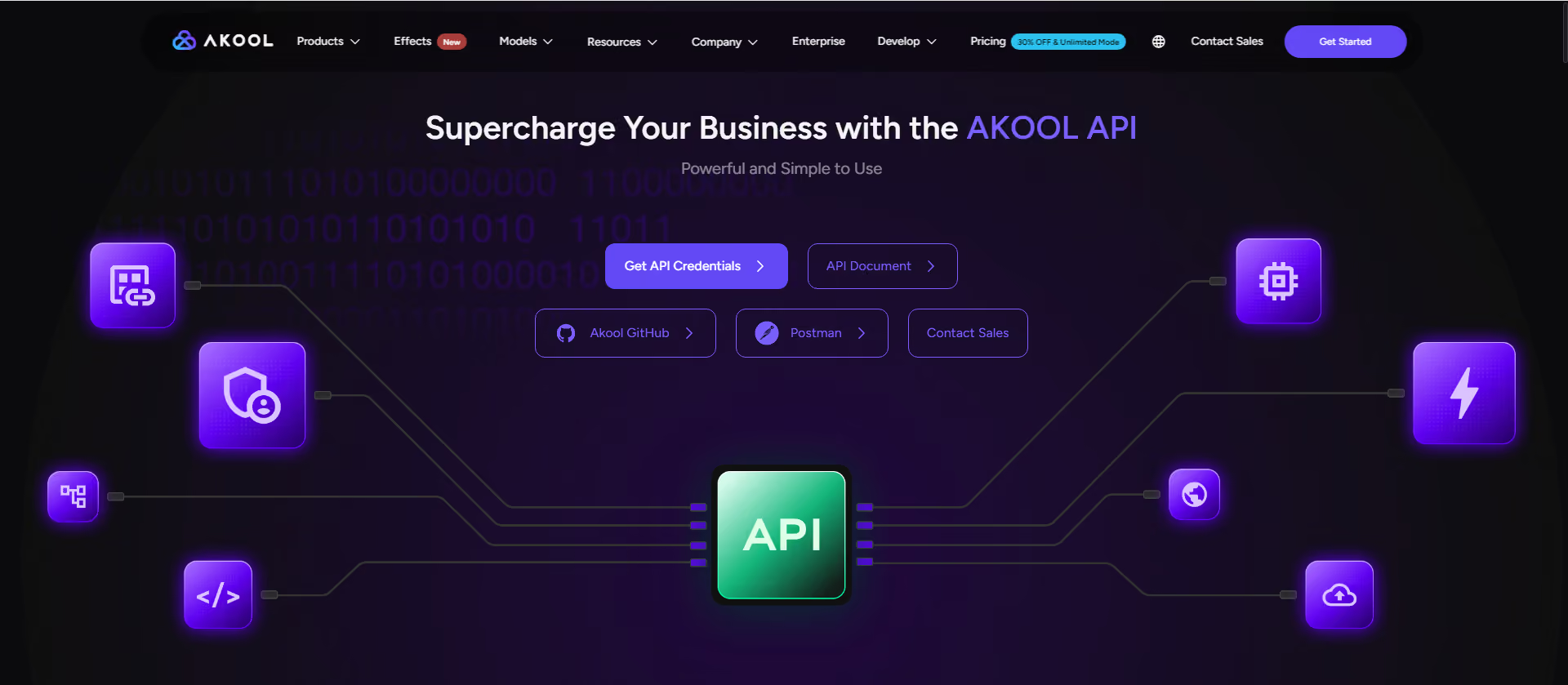
AKOOL's Open API supports both paths. You can start with the platform interface and add API automation as your production needs grow, avoiding the need to switch providers mid-stream.
Customization and creative control
No-code generators offer preset styles, templates, and model options that cover most common use cases. You select from available choices rather than defining every parameter from scratch. For most social media content, these options more than suffice.
APIs expose the full range of model parameters, giving developers control over aspects that no-code interfaces abstract away. This matters when you need exact frame rates, specific model versions, or custom post-processing steps integrated into your pipeline.
Cost structure and ROI
No-code platforms typically charge subscription fees with credit allotments for video generation. This model works well for predictable monthly volumes. You know your costs upfront and can budget accordingly.
API pricing usually follows a pay-per-use model based on generation time, resolution, or credits consumed. For high-volume operations, this can reduce per-video costs significantly. For sporadic usage, subscriptions may offer better value.
Integration with existing tools
No-code platforms often include native integrations with popular social media schedulers and DAM systems. When these integrations exist, setup takes minutes. When they do not, you may need to export and upload manually.
APIs integrate with anything your developers can connect to. This flexibility comes with complexity, but it means your video generation can become a native part of your marketing automation stack rather than a separate tool.
Comparison Table: Choosing Between No-Code Generators and APIs
Why AKOOL Is the Best Choice for Social Media Teams
Most platforms force you to choose between ease of use and scalability. AKOOL eliminates that tradeoff by offering both a polished no-code interface and a powerful API within the same ecosystem. Your social media team can start producing videos today using the platform, while your engineering team builds automated workflows using the API for campaigns that require personalization at scale.
AKOOL gives you access to the newest AI video models, including Kling, Wan, Seedance, Google Veo, and Sora, all from one dashboard. You do not need to maintain separate accounts with multiple providers or figure out which model fits which use case. The platform handles model selection, or you can specify exactly which engine to use when precision matters.
For enterprise marketing teams running global campaigns, AKOOL's video translation and avatar video capabilities extend your reach without multiplying production costs. Create one video and localize it for dozens of markets with natural lip-sync and voice cloning. The combination of image-to-video generation, face swap technology, and streaming avatars gives your team a complete toolkit for every content format your social channels demand.